
Extreme exhaustion at the physical, mental and emotional level is also referred to as fatigue. This term comes from French and means “tiredness”, “weariness”, “debility”. Fatigue can occur as a consequence of another illness or in the course of medical treatment. This is often the case with cancers treated with chemotherapy and radiotherapy. It is then referred to as cancer fatigue, tumour fatigue, tumour-associated or cancer-related fatigue.
Symptoms of tumour fatigue
The main symptoms of tumour fatigue are agonising exhaustion, lack of drive and extreme weakness. Emotional signs of disease such as low mood or mental exhaustion make the suffering worse.
Unlike normal tiredness, tumour fatigue cannot be overcome by sufficient periods of rest and sleep. The weakness is extraordinarily distressing for patients and can impair them to the point of severe disability.
The problems often reinforce one another, because the pronounced lack of strength leads to a lack of physical activity. This further reduces performance capacity. Weakness and tiredness increase, which provokes greater passivity and the avoidance of exertion. A vicious circle develops.
In this way, feelings of helplessness and depressive moods also arise. Recovery by one's own efforts is then hardly possible.
Characteristics of tumour fatigue at a glance
- Extreme tiredness and lack of strength
- Lack of drive
- Mental exhaustion
- As a consequence:
- Low mood
- Depressive moods
- Feeling of helplessness
- Inactivity
- Avoidance of exertion
When does the exhaustion occur?
Tumour-associated fatigue can occur at any point in the course of cancer. Patients sometimes already suffer from severe exhaustion before cancer has even been diagnosed.
Above all, however, the weakness occurs during the illness and in the course of cancer treatment. Radiotherapy and chemotherapy play a particular role here.
Even long after the cancer has ended, the symptoms of tumour fatigue sometimes still appear, either as new or as recurring complaints.
Tumour fatigue can occur as an early sign before the cancer diagnosis, as well as during and after the illness.
Complaints can last a long time
The problem is further aggravated by the duration of the complaints. Sometimes the symptoms are limited in time. However, they can also persist for many years after the end of treatment and severely impair the quality of life of those affected. This is shown, for example, by figures on fatigue and breast cancer:
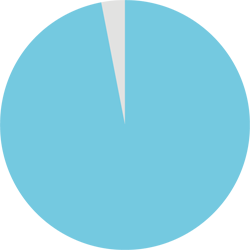
- During chemotherapy, almost all breast cancer patients suffer from exhaustion.
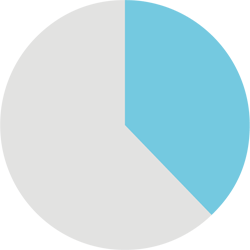
- Around 2.5 years after the end of treatment, 38% of breast cancer patients still have severe tumour fatigue, which is almost half of the patients.
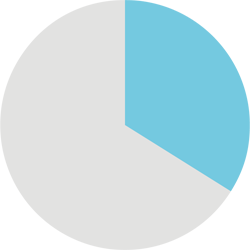
- Up to 10 years after successful (!) treatment, more than a third of the patients still suffer from marked cancer-related exhaustion.
The understanding shown by those around them for the exhaustion steadily decreases the longer ago the cancer was.
Complaints must be taken seriously
Fatigue symptoms are physical complaints to be taken seriously, just like inflammation, pain or organ diseases. They are by no means “psychological phenomena”, “unimportant side effects of cancer treatment” or even “imagination”.
Cancer-related tiredness has distressing physical, psychological and social consequences. It should therefore definitely be taken seriously and treated.
Even therapists often fail to recognise the problem
Some further figures show how often the complaints of tumour fatigue are underestimated even by therapists:
- At the time of cancer diagnosis, 40% of patients complain of fatigue symptoms.
- Under chemotherapy, 80% suffer from extreme exhaustion; under radiotherapy, 90% of patients.
- For 52% of cancer patients, exhaustion is the worst impairment in everyday life. In second place, and perceived as considerably less burdensome, comes pain (11%).
- 41% of patients consider it more important that their exhaustion be relieved than that their pain be treated. Only 5% of oncologists see it that way.
The more severe the symptoms during chemotherapy or radiotherapy, the more likely it is that the exhaustion will persist after treatment or recur.
Relief is possible
The exhaustion can be relieved by supporting the body's glutathione system. In this way, the energy balance can be lastingly promoted and damage caused by free radicals reduced.
What is crucial in treatment is increasing the intracellular glutathione level. This can only be achieved with a pharmaceutical active substance that is optimally bioavailable. Those affected should therefore pay attention to the bioavailability of the chosen preparation and to the special processing of the active substance, so that it does not lose its efficacy prematurely.